BACK
ROLE
Design Lead
CLIENT
Emburse
INDUSTRY
Financial Technology
PLATFORM(S)
DATES
Mar 2020 – Jun 2021
ENGAGEMENT TYPE
PROBLEM SPACE
SCOPE
0->1 , White-labeling
MEASURABLE
IMPACTS
30
80%
75%
Save our customers time & money
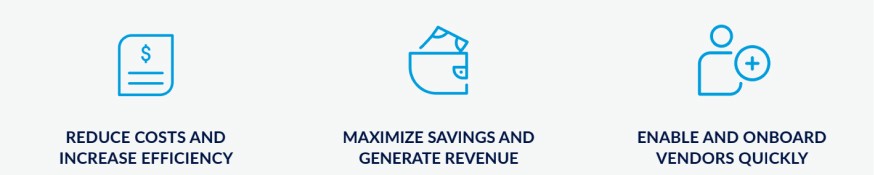
By automating our AP payment capability, we would replace manual payment processes by supporting virtual card, check, and ACH payments.
This would unlock the opportunity for our customers to increase their virtual card usage volume and to receive rebates from every such transaction.
Finally, this new platform could streamline and consolidate the supplier onboarding process, making it easier to pay and communicate with vendors.
I was appointed as the lead designer for our AP products and oversaw the design of all payment-related interfaces that were developed within the payments platform service.
Since Emburse Pay was the first solution to use the Embark Design System (which was being built out in parallel), I was the first designer to build a product using the design system. As such, many of my design decisions while building this product informed the patterns & components that were incorporated into the design system.
Competitive analysis
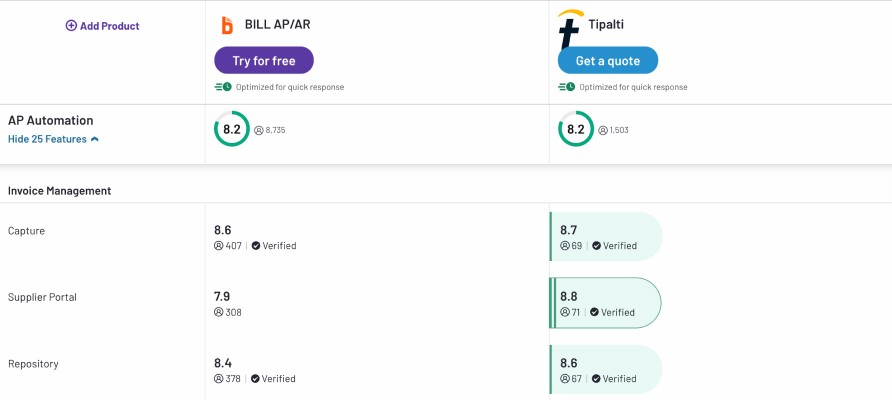
Using data from the competitive insights team and review sites like G2, we scouted other products in search for opportunities to solve something new or improve on existing functionality.
User interviews
Working alongside a UX researcher, we spoke to our customer advocates who worked within Accounts Payable functions to understand the pain points they faced around payments, vendor management, and communications.
Testing the Information Architecture
We spent a lot of time on wireframing to ensure the information architecture was well-organized and robust enough to support future growth.
Building out User Personas
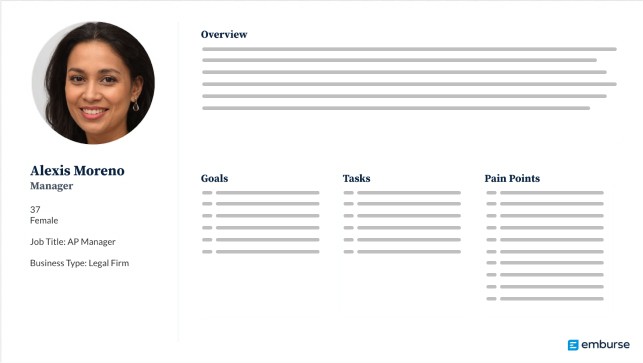
In collaboration with UX research, I helped build out AP personas and incorporating some of the goals, pain points, and tasks we recorded from user interviews. These were circulated to the product development pod to raise awareness about the users that we were designing for.
Focusing on the details
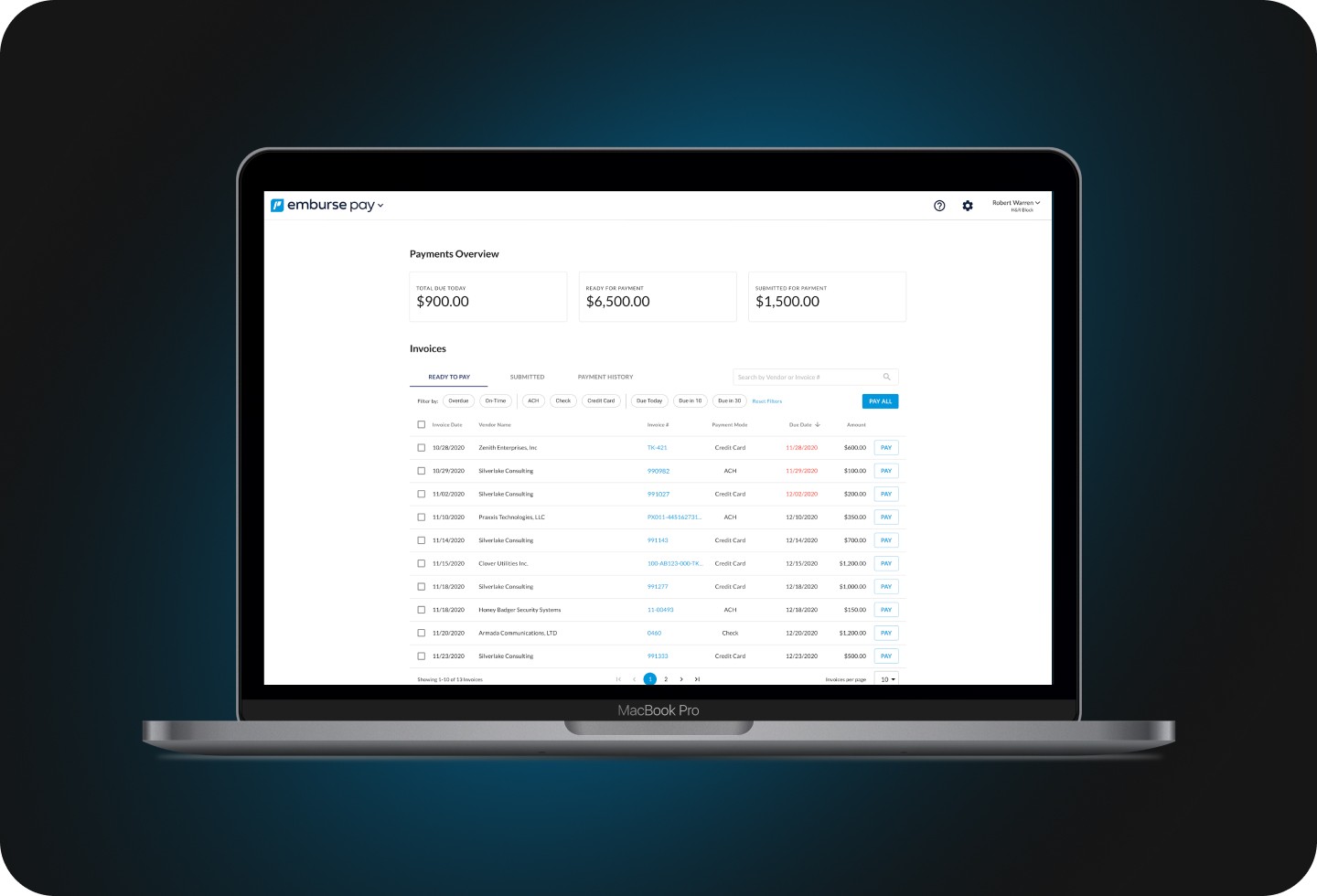
This product was built with pages containing two main elements – data tables & forms. I conducted a lot of research to testing several versions tables and created many iterations to demo in prototypes.
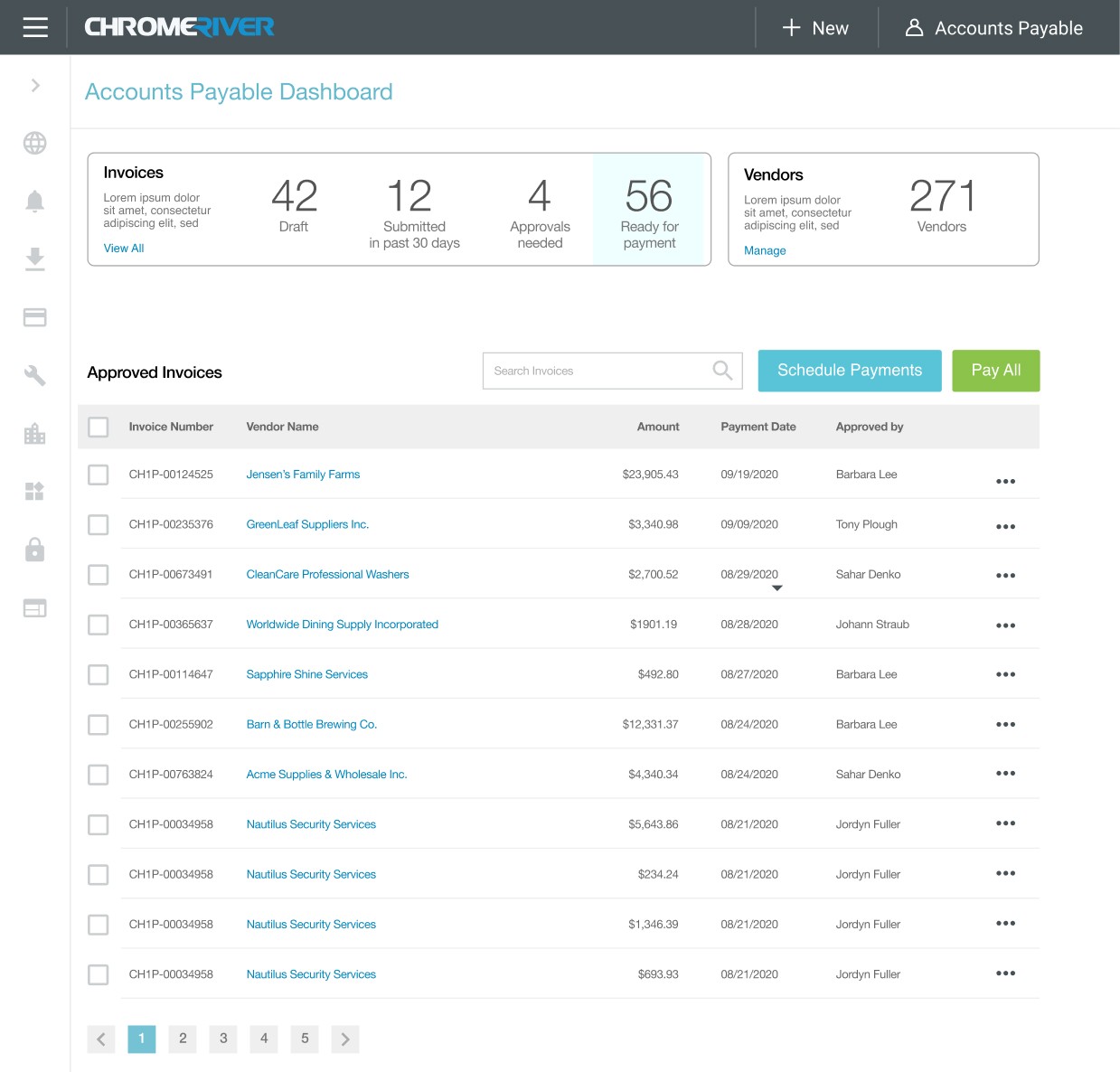
Dashboarding & Payment Enablement
To support pages with tables and forms, we explored several versions of dashboards that would summarize tabular data and enable quick actions around payments.
Enhancing the UI
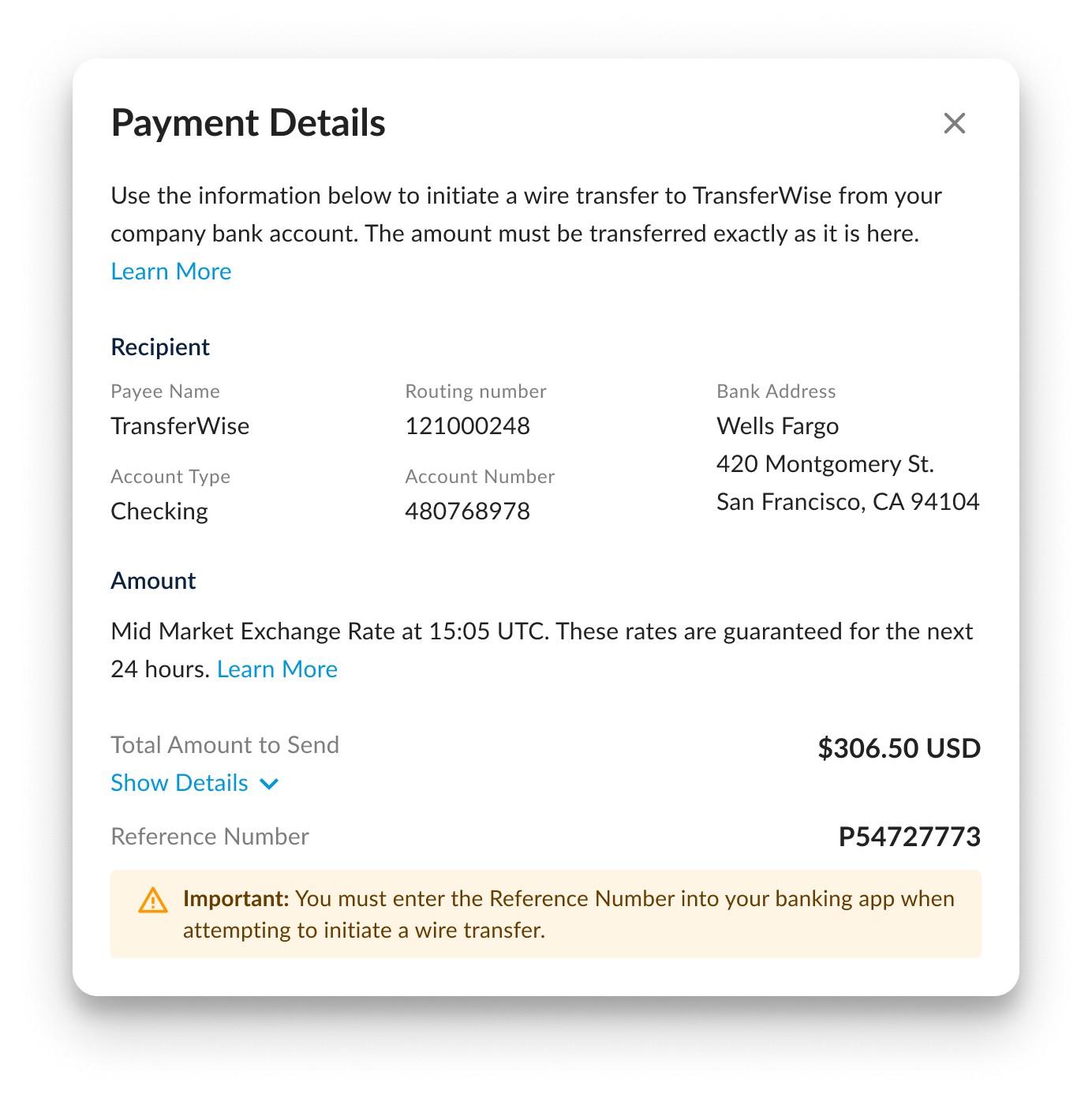
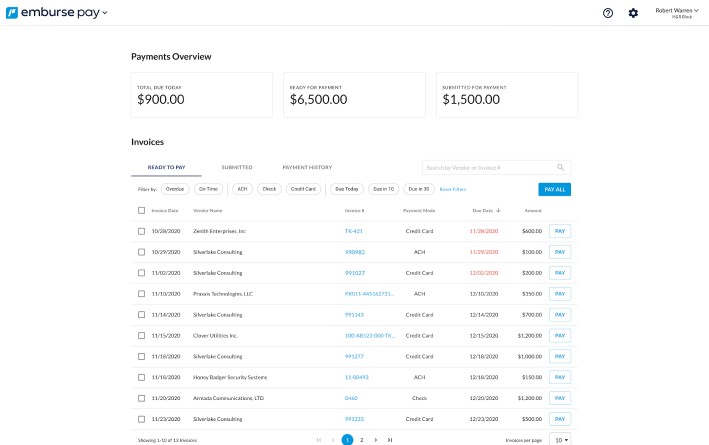
Aside from supporting base payment functions, we maintained a growing backlog of enhancements stemming from customer requirements and user feedback. This included enabling international payments, third-party integrations, and support for vendor discount terms.
Based on user research and competitive analysis, we realized that users who perform AP functions are more tolerant of working in systems that are visually data-dense. We decided to start slowly enhancing the UI with additional data dimensions as we rolled out new features. This led us to modify and expand our design system's data table patterns to support multiple configurations.
Metrics & UX Validation
Following the product launch, we used several methods to assess product performance and understand how our design decisions were being received. We tracked financial performance insights on Metabase to understand how customers were using the product and what kind of benefits they were seeing when processing payments. We worked with our Customer Success Teams to gather end user feedback and CSAT scores so we had an idea of what users were looking for. Finally, we implemented Pendo to be able to further probe individual features or UI in real-time.
Flagship Consumer App
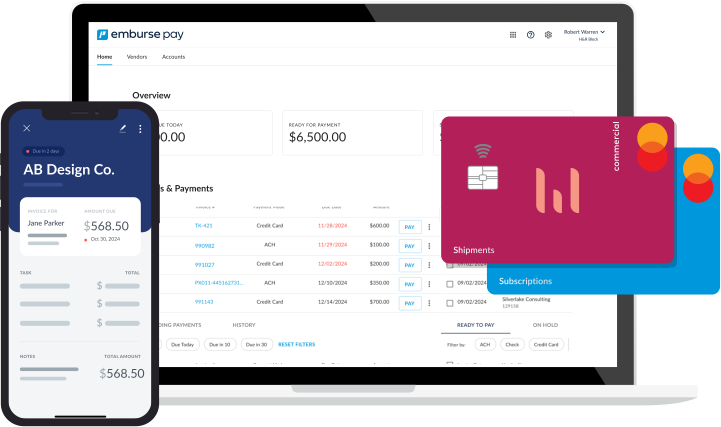
Emburse Pay launched as the company's first major system and established a foundation for a payment platform service, which was eventually extended to Emburse Cards, for virtual card issuing, and Emburse Spend for long-tail spend management and optimization..